

If you’ve ever walked past a café, shop, or restaurant and felt compelled to step inside—chances are, their signage did its job. In today’s competitive UK market, professional signage isn’t just about looking good; it’s a powerful business tool that drives real, measurable results.
The statistics are compelling: 76% of UK shoppers have entered a store for the first time simply because of its signage. Businesses that invest in high-quality, strategically placed signage report sales increases of 10-15%, whilst those incorporating modern solutions like digital displays see even more impressive results—average sales increases of 33% and the ability to reduce perceived wait times by up to 35%.
Whether you’re a café owner looking to attract more foot traffic, a retail shop seeking to boost brand visibility, a restaurant wanting to showcase your menu more effectively, or an office requiring professional wayfinding, these 25 proven strategies will show you exactly how to leverage signage to grow your business.
The UK print and signage market is valued at approximately £23 billion and growing—and for good reason. In a digital world, physical signage creates lasting impressions, builds trust, and works for your business 24/7 without ongoing costs. Let’s explore how you can harness this power for your business…
1-4: Building a Strong Foundation for Your Business Signage
Before investing in new signage, let’s examine the fundamental strategies that deliver the best return on investment. These first four approaches help you make smart decisions that drive real business results.
1. Know Your Customer and What Attracts Them
Your signage is only effective if it resonates with the people walking past your business. According to recent UK market research, businesses that align their signage with their target demographic see conversion rates increase by up to 15%.
Ask yourself these critical questions:
- Who are my ideal customers? (Age, income, lifestyle, preferences)
- What problems do they need solving?
- What messaging would make them stop and look?
- What time of day does most of my foot traffic occur?
- How do competitors in my area position themselves?
Real-world example: A specialty coffee shop in Camden discovered their target audience (young professionals aged 25-40) responded better to minimalist, Instagram-worthy window graphics highlighting single-origin beans rather than generic “coffee sold here” messaging. The result? A 22% increase in new customers within three months.
Expert insight: Professional signage providers conduct consultations to understand your business goals, not just take your order. They should ask about your customers, your unique selling points, and your business objectives before recommending solutions.
2. Strategic Placement Makes All the Difference
Even the most beautiful signage is worthless if nobody sees it. Research demonstrates that well-positioned signage can increase browsing time by up to 30% and significantly improve brand recall.
High-impact signage locations for your business:
For retail shops and cafés:
- Window graphics: Your 24/7 salesperson attracting foot traffic from the street
- A-boards and pavement signs: Catch attention of people walking on the opposite side
- Interior menu boards: Positioned where customers queue, maximising upsell opportunities
- End-of-aisle displays: Guide customers to promoted products
For offices and professional services:
- Building entrance signage: Create strong first impressions for clients and visitors
- Reception area displays: Reinforce credibility and showcase services
- Wayfinding signs: Reduce confusion and improve visitor experience
- Meeting room graphics: Professional environment reinforcing brand values
For restaurants and hospitality:
- Outdoor menu displays: Allow potential customers to review offerings before entering
- Table talkers: Promote specials and high-margin items at point of decision
- Directional signage: Guide customers to facilities, reducing staff interruptions
Investment tip: Before ordering, photograph your space and mark where foot traffic flows. A professional signage company can provide consultations to identify optimal placement for maximum visibility and impact.
3. Quality Materials Create Lasting Impressions
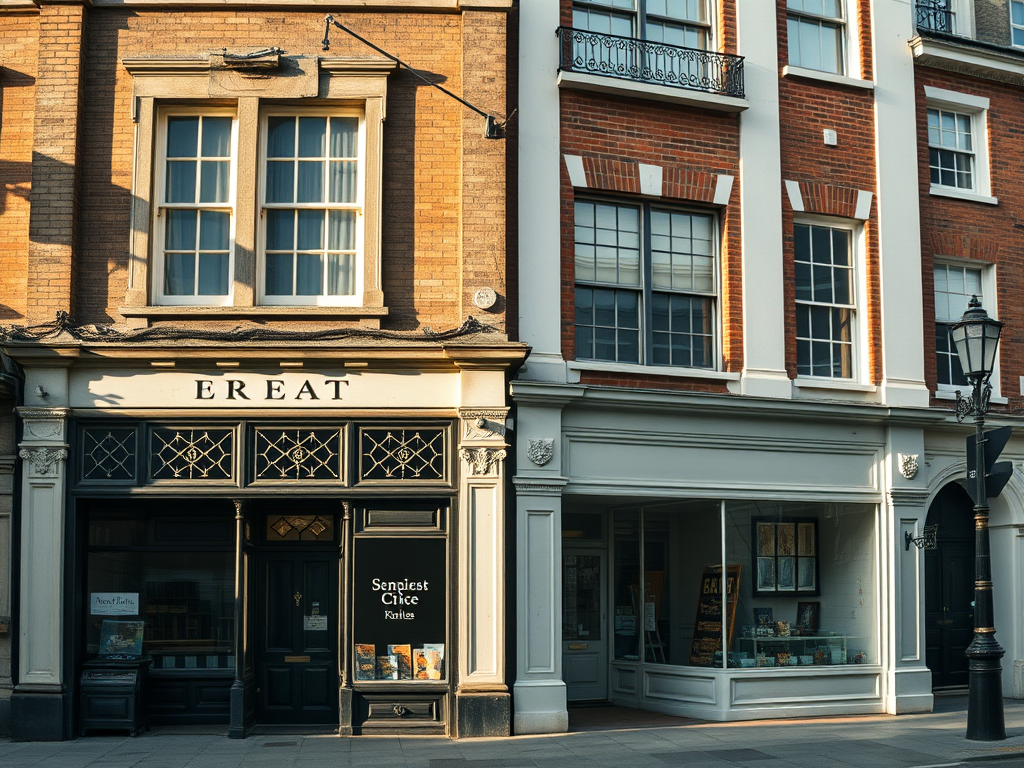
You’ve likely walked past businesses with faded, peeling, or damaged signage and thought less of them. Your signage quality directly reflects your business standards—and customers notice.
Why quality matters for your business:
- First impressions: 68% of UK consumers say signage quality reflects the business and its products
- Longevity: Quality materials last 3-5 years outdoors versus 6-12 months for cheap alternatives
- Weather resistance: UK weather is tough—proper materials withstand rain, wind, and UV exposure
- Professional appearance: Crisp, vibrant signage suggests a well-run, trustworthy business
- Total cost: Replacing cheap signage annually costs more than investing in quality upfront
Material considerations for different applications:
- Outdoor signage: UV-resistant inks, weatherproof substrates, proper mounting systems
- Window graphics: Perforated vinyl allowing visibility from inside, solid graphics for maximum impact
- Indoor displays: Professional finishes appropriate for your brand positioning
- Temporary promotions: Durable enough to last the campaign without looking tatty
Sustainability note: 45% of UK customers now actively seek sustainable businesses. Eco-friendly signage materials (FSC-certified, recyclable substrates, vegetable-based inks) not only reduce environmental impact but also communicate your values to environmentally-conscious customers.

4. Consistent Branding Builds Trust and Recognition
Imagine if McDonald’s used different logos and colours at each location—you’d question whether they’re legitimate. Brand consistency builds trust, and studies show it can increase revenue by up to 23%.
Consistency checklist for your business:
- Colours: Use exact colour specifications (Pantone or CMYK values) across all signage
- Typography: Maintain consistent fonts that reflect your brand personality
- Logo usage: Ensure your logo appears correctly sized and positioned
- Messaging tone: Keep your voice consistent whether formal, friendly, or playful
- Visual style: Coordinate photography, illustrations, and design elements
Multi-location businesses: If you operate multiple sites, consistent signage creates professional cohesion and reinforces brand recognition as customers visit different locations.
Practical example: A gym chain standardised their signage across all London locations—same colours, same typography, same layout formats. Members reported feeling more confident about the brand’s professionalism, and new member sign-ups increased by 18% as the consistent presence built local market recognition.
Working with professionals: Choose a signage provider who maintains detailed specifications for your business, ensuring every reorder matches perfectly. This eliminates the frustration of colour mismatches or design inconsistencies that undermine your professional image.
5-8: Leveraging Modern Technologies to Attract More Customers
These next four strategies show you how to use current signage technologies and design principles to capture attention, engage customers, and drive sales in today’s competitive market.
5. Use Eye-Catching Window Graphics to Stop Foot Traffic
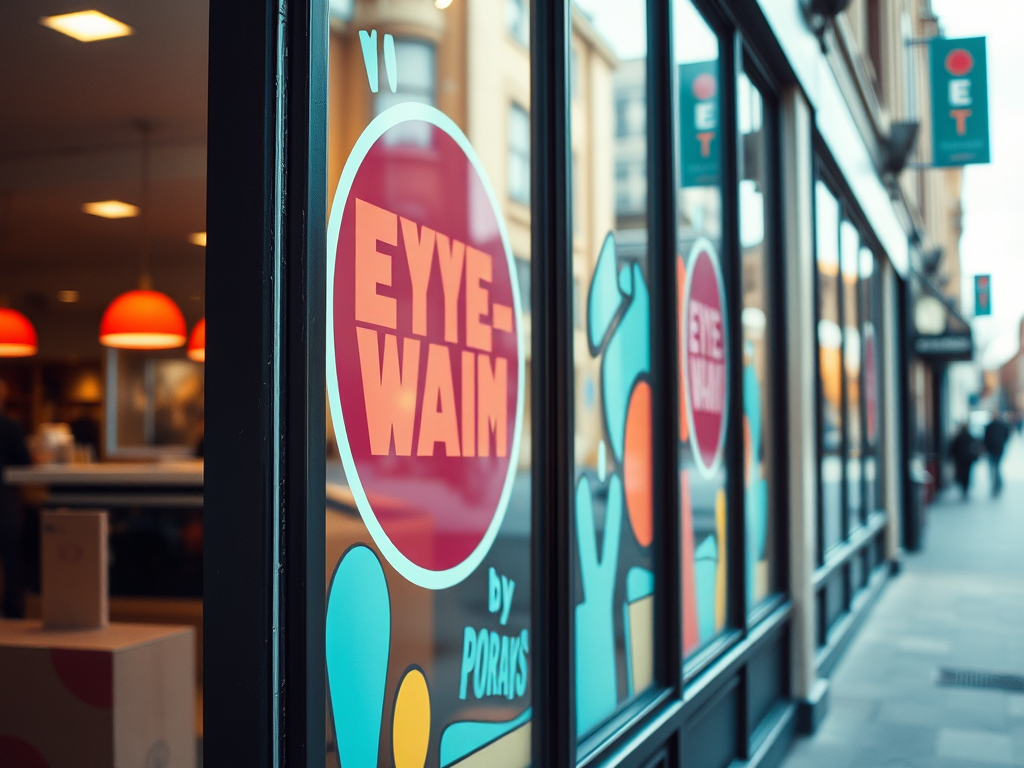
Your shop window is prime real estate—and it’s working 24 hours a day. The question is: is it working hard enough? Window graphics are one of the most cost-effective marketing investments you can make, with studies showing they significantly increase store entry rates.
Why window graphics work:
- Visible day and night, advertising even when you’re closed
- Change customer perception from “just another shop” to “somewhere interesting”
- Communicate promotions, new products, or brand values without staff involvement
- Cost-effective compared to ongoing digital advertising spend
- Create Instagram-worthy backdrops that customers share on social media
Effective window graphic applications:
For cafés and restaurants:
- Menu highlights and signature dishes with appetising photography
- “We’re open” messaging with trading hours clearly displayed
- Seasonal promotions (winter warmers, summer refreshments)
- Brand story graphics creating emotional connection
For retail shops:
- New collection launches with fashion-forward imagery
- Sale announcements that create urgency
- Product categories helping customers self-identify relevance
- Brand values messaging (locally-sourced, sustainable, family-run)
For professional services:
- Service offerings clearly explained for passing prospects
- Team introductions building trust and approachability
- Credentials and certifications demonstrating expertise
- Client success stories providing social proof
Design tip: Less is more. A cluttered window confuses—a clear, bold message stops people in their tracks. Professional designers understand viewing distances and create graphics that work from across the street, not just close-up.
Material choice: Perforated window vinyl allows you to see out whilst customers see vibrant graphics from outside—perfect for maintaining staff visibility and security whilst maximising advertising space.
6. Create Urgency with Time-Sensitive Promotional Signage
Customers delay decisions when there’s no reason to act now. Time-sensitive promotions create urgency, and signage makes that urgency visible to everyone who passes your business.
High-impact promotional signage strategies:
Flash sales and limited-time offers:
- “This weekend only” window posters driving weekend foot traffic
- “Happy hour 4-6pm” A-boards capturing afternoon passers-by
- “First 50 customers” creating early-morning queues
- “While stocks last” generating fear of missing out
Seasonal campaigns:
- Pre-Christmas promotions maximising the golden quarter
- January sales capturing post-holiday shopping intent
- Back-to-school offers for relevant retailers
- Summer event promotions for hospitality and leisure
Event-specific signage:
- Grand opening celebrations generating local buzz
- Anniversary sales rewarding loyal customers
- Local event tie-ins (markets, festivals, sports events)
- Product launch countdowns building anticipation
Real-world success: A North London bakery implemented weekly “Sold out by 2pm every Saturday” window signage for their sourdough bread. The message created urgency, and they went from selling out at 4pm to consistent 1:30pm sell-outs—enabling them to increase production and revenue by 40%.
Quick-turnaround advantage: Modern digital printing allows you to create promotional signage in days, not weeks. This means you can respond to competitor activities, seasonal opportunities, or inventory situations without long lead times that kill momentum.
7. Guide Customers Effortlessly with Professional Wayfinding
Confused customers ask staff for directions. Frustrated customers leave. Professional wayfinding signage solves both problems whilst enhancing the overall customer experience.
Why wayfinding matters for your business:
- Reduces staff interruptions, allowing focus on value-adding customer service
- Decreases customer frustration and abandoned visits
- Improves accessibility for all visitors, including those with disabilities
- Creates professional, organised impression
- Research shows effective wayfinding can reduce customer service queries by up to 40%
Essential wayfinding elements:
For multi-floor retail or offices:
- Floor directories at elevators and stairwells
- Department or section markers with clear categories
- Directional arrows at decision points
- “You are here” maps in complex layouts
For hospitality venues:
- Toilet location signage (reduces awkward enquiries)
- Outdoor seating arrows guiding to beer gardens or terraces
- Private dining room directions for function guests
- Accessible entrance routes clearly marked
For professional practices:
- Reception check-in instructions reducing queue confusion
- Waiting area signage managing customer expectations
- Consultation room numbers matching booking confirmations
- Car park and entrance signage for first-time visitors
Accessibility compliance: Inclusive wayfinding (proper contrast, tactile elements where appropriate, clear simple language) isn’t just good ethics—it’s good business, welcoming customers who might otherwise struggle to navigate your space.
Professional installation: Wayfinding requires strategic thinking about customer journeys. Experienced signage providers assess your space, identify confusion points, and design comprehensive systems that genuinely improve customer flow.
8. Reinforce Your Brand with Interior Graphics and Displays
Your interior space is a three-dimensional brand experience. Interior graphics transform functional walls and surfaces into brand ambassadors that build emotional connections and influence purchasing decisions.
Strategic interior signage applications:
For cafés and restaurants:
- Menu boards positioned where customers queue (maximising order decision time)
- Brand story walls creating Instagram-worthy backgrounds
- Table talkers promoting high-margin items or specials
- Seasonal decoration reinforcing topical campaigns
For retail spaces:
- Lifestyle imagery showing products in aspirational contexts
- Product category headers helping customers navigate
- Promotional end-of-aisle displays highlighting featured items
- Changing room graphics with styling suggestions
For offices and professional services:
- Reception graphics establishing credibility and professionalism
- Meeting room signage with company values or achievements
- Breakout area graphics creating engaging, branded environments
- Customer journey displays showing your process or methodology
Emotional impact: Research indicates emotional connections can increase customer lifetime value by up to 306%. Interior graphics that tell your story, showcase your values, or create memorable atmospheres build these emotional bonds.
Material versatility: Modern printing techniques enable graphics on virtually any surface—walls, floors, ceilings, furniture, glass partitions. This versatility allows creative expression whilst maintaining professional quality.
Example: A dental practice replaced sterile white walls with calming nature graphics and testimonial displays. Patient anxiety scores decreased by 25%, and online reviews increasingly mentioned the “relaxing, professional atmosphere”—directly attributable to the improved interior environment.
9-12: Maximising Every Customer Touchpoint
Let’s explore four powerful strategies that ensure your signage works harder across every stage of the customer journey—from initial awareness through to repeat purchase.
9. Turn Your Vehicles into Mobile Billboards
If your business operates vehicles, you’re missing a massive opportunity if they’re not branded. Research shows that vehicle wraps reach 30,000-70,000 daily impressions, making them one of the most cost-effective advertising investments available.
Vehicle signage benefits:
- Constant visibility: Your vehicles advertise whilst driving, parked, or making deliveries
- Geographic targeting: Reach customers in your exact service areas
- Credibility: Professional vehicle branding suggests established, trustworthy business
- Low cost-per-impression: Unlike ongoing digital ad spend, vehicle graphics are one-time investments
- Fleet consistency: Multiple branded vehicles create market presence perception
Effective vehicle branding elements:
- Business name and logo clearly visible from distance
- Contact information (phone, website) easy to read
- Services offered in concise, benefit-focused language
- Professional imagery or graphics reinforcing quality
- Social media handles for digitally-engaged prospects
Real-world ROI: A plumbing company in North West London wrapped their three vans with professional branding. Within six months, they tracked 47 new customers who specifically mentioned “seeing your van” as their initial touchpoint—generating over £23,000 in revenue from a £2,400 investment.
Design considerations: Vehicle wraps require specialist design accounting for curves, windows, and movement visibility. Professional signage companies experienced in vehicle graphics ensure your investment delivers maximum impact.
10. Leverage Customer Testimonials and Social Proof
With 93% of customers reading reviews before purchasing, social proof has become essential for building trust. Integrating positive feedback into your physical signage brings online credibility into offline spaces.
Social proof signage applications:
- Window graphics featuring customer quotes: Powerful testimonials visible to passing foot traffic
- Awards and certification displays: Industry recognition building credibility
- Before-and-after imagery: Especially effective for services showing transformation
- Customer count graphics: “Trusted by over 1,000 London businesses” style messaging
- Star ratings from review platforms: Google, Trustpilot, or industry-specific platforms
Effective testimonial selection:
- Specific, detailed feedback rather than generic praise
- Outcome-focused (what the customer achieved, not just nice service)
- Representative of your target audience (helps prospects see themselves)
- Permission-granted with attribution to real customers
- Recent enough to remain relevant and credible
Legal compliance: Always obtain written permission before featuring customer names, photographs, or testimonials in public signage. This protects both your business and your customers whilst ensuring GDPR compliance.
Refresh strategy: Update testimonial signage regularly to maintain relevance and demonstrate ongoing customer satisfaction. Digital printing makes periodic updates cost-effective.
Example: A personal training studio displayed client transformation photos (with permission) in their window. Enquiries increased by 64%, with prospects specifically mentioning the “real results from real people” as their motivation to investigate further.
11. Create Instagram-Worthy Moments That Customers Share
Social media amplifies your signage investment. When customers photograph and share your signage, each post extends your reach to their networks—free marketing you couldn’t buy.
Shareable signage characteristics:
- Visually striking colours and bold graphics
- Clever or amusing messaging that delights
- Brand hashtags encouraging tagged sharing
- Photo-opportunity areas deliberately designed for selfies
- Local relevance creating community connection
Instagram-worthy signage ideas:
For cafés and restaurants:
- Neon signs with shareable phrases (“But first, coffee”)
- Colourful wall murals creating photo backdrops
- Chalkboard art that changes weekly
- Quirky toilet signage generating laughs and shares
For retail:
- Fitting room mirrors with motivational quotes
- Window displays with interactive elements
- Seasonal installations tied to trending topics
- Brand story walls showing company heritage
For any business:
- Local landmark integration (“You are here” maps)
- Community board featuring local events or artists
- Thought-provoking quotes relevant to your industry
- Hidden gems only discoverable by engaged visitors
Measurement: Track your hashtag usage to quantify social sharing driven by your physical signage. This demonstrates ROI beyond immediate foot traffic.
Professional design: Creating shareable moments requires understanding current visual trends whilst maintaining brand authenticity. Experienced designers balance trending aesthetics with timeless quality ensuring your investment doesn’t quickly date.
12. Optimise Point-of-Purchase Displays to Increase Average Transaction Value
You’ve already got customers in your space—now maximise what they spend. Strategic point-of-purchase signage can increase average transaction values by 20-30% through effective upselling and cross-selling.
High-converting POP signage locations:
For retail:
- Checkout queues (impulse items, upgrades, add-ons)
- Changing rooms (accessories, complementary items)
- Product end-caps (featured items, new arrivals)
- Mirror proximity (styling suggestions)
For hospitality:
- Menu boards at queue points (higher-margin items highlighted)
- Table tent cards (daily specials, premium upgrades)
- Bar area displays (premium spirits, cocktails)
- Payment counter (retail items, loyalty programme sign-ups)
For professional services:
- Reception area displays (additional services, packages)
- Treatment room signage (upgrade options, product sales)
- Checkout areas (booking next appointment, referral incentives)
Effective POP messaging strategies:
- Show the benefit, not just the product (“Make it a large for only 50p more—stay satisfied longer”)
- Use scarcity where genuine (“Only 3 left at this price”)
- Bundle related items (“Customers who bought X also loved Y”)
- Highlight most popular choice (social proof: “Our best-seller”)
- Make maths easy (“Less than £1 per day when bought monthly”)
Design principles: POP signage must capture attention without overwhelming. Professional designers balance impact with integration, ensuring promotional messaging enhances rather than clutters your space.
Testing and optimisation: Digital printing enables cost-effective A/B testing. Try different messages, offers, or placements, measure results, and refine for maximum conversion.
13-16: Strategic Design Decisions That Drive Results
These next four strategies focus on the design and planning decisions that separate effective signage from wasted spending—ensuring every pound invested delivers measurable returns.
13. Harness Colour Psychology to Influence Customer Behaviour
Colours aren’t just aesthetic choices—they trigger psychological responses that influence perception and behaviour. Understanding colour psychology helps you design signage that drives desired customer actions.
Colour psychology in signage:
Red:
- Psychological effect: Urgency, excitement, appetite stimulation
- Best uses: Sale signage, fast-food restaurants, clearance promotions
- Example: “Final Day Sale” in red creates maximum urgency
Blue:
- Psychological effect: Trust, professionalism, calm
- Best uses: Financial services, healthcare, professional offices
- Example: Accountancy practices establishing credibility
Green:
- Psychological effect: Health, sustainability, growth, relaxation
- Best uses: Health food cafés, wellness centres, eco-businesses
- Example: Organic grocers reinforcing natural credentials
Yellow:
- Psychological effect: Optimism, attention-grabbing, clarity
- Best uses: Window displays, directional signage, children’s businesses
- Example: Toy shops creating excitement and energy
Black:
- Psychological effect: Sophistication, luxury, exclusivity
- Best uses: Premium brands, high-end retail, professional services
- Example: Boutique fashion establishing premium positioning
Your industry and brand personality should guide colour choices, but understanding these psychological effects helps you make strategic decisions that align with business objectives.
14. Design for Viewing Distance and Customer Journey
Beautiful signage nobody can read is worthless. Professional design accounts for viewing distances, ensuring your message is legible and impactful from relevant distances.
Viewing distance guidelines:
For window graphics and fascia signs:
- Designed to be read from across the street (10-15 metres minimum)
- Large, bold typography with strong colour contrast
- Minimal text—key message only
- High-resolution imagery that doesn’t pixelate at scale
For pavement signs and A-boards:
- Readable from 5-10 metres (walking pace assessment distance)
- Concise messaging (5-7 words maximum)
- Clear hierarchy (most important information largest)
- Weather-resistant materials for UK conditions
For interior point-of-purchase:
- Designed for close reading (1-3 metres)
- Can include more detailed information
- Still requires clear hierarchy and scannable layout
- Consider lighting conditions where displayed
For vehicle graphics:
- Must communicate in 3-5 seconds at traffic speeds
- Business name and phone number priority
- Simple, high-contrast designs
- Account for curves and panel breaks
Professional testing: Experienced designers proof signage at actual sizes and distances before production, ensuring effectiveness in real-world conditions rather than just on computer screens.
15. Invest in Professional Photography and Graphics
Stock photography and amateur graphics undermine your brand. Professional imagery signals quality, builds trust, and significantly increases engagement compared to generic alternatives.
Why professional visuals matter:
- 94% of first impressions relate to design
- Customers spend 67% more time engaging with quality imagery
- Professional photography increases perceived value of products/services
- Authentic imagery builds emotional connection generic stock cannot
Applications for professional photography:
For hospitality:
- Appetising food photography driving menu selections
- Atmosphere shots communicating ambiance and experience
- Team photos building personal connection
- Event spaces showcasing potential
For retail:
- Lifestyle imagery showing products in aspirational contexts
- Detail shots highlighting quality and craftsmanship
- Size and scale references helping customer decisions
- Seasonal lookbooks inspiring purchases
For services:
- Team photos establishing trust and approachability
- Process photography demystifying your service
- Result imagery demonstrating successful outcomes
- Facility photos showcasing professional environment
Investment consideration: Professional photography is a one-time cost delivering ongoing value across multiple signage applications, social media, websites, and marketing materials. The ROI extends far beyond single-use.
Collaboration: Work with signage providers who coordinate with photographers, ensuring images are captured at correct resolutions and compositions for intended applications.
16. Plan for Flexibility and Easy Updates
Business needs change—promotions end, menus evolve, services expand. Designing signage systems with updates in mind reduces long-term costs whilst maintaining fresh, relevant messaging.
Flexible signage solutions:
Modular systems:
- Permanent frames with interchangeable graphic inserts
- Chalkboards or dry-wipe surfaces for frequently changing information
- Poster frames for promotional rotation
- Magnetic systems allowing quick updates
Standardised templates:
- Consistent design formats enabling efficient updates
- Maintained colour specifications ensuring brand consistency
- Stored artwork files for quick modifications
- Established approval processes reducing turnaround time
Update-friendly materials:
- Removable window graphics for seasonal changes
- Banner stands with replaceable graphics
- Digital-ready infrastructure for future technology integration
- Durable outdoor materials allowing long-term frame reuse
Cost-efficiency example: A restaurant designed menu boards with permanent frames and printed insert panels. Seasonal menu changes cost £120 for new inserts versus £480 for complete board replacement—saving thousands annually whilst staying current.
Sustainability advantage: Modular approaches reduce waste by updating only necessary elements rather than discarding entire installations—appealing to environmentally-conscious businesses and customers.
17-20: Sustainability and Data-Driven Optimisation
These next four strategies align your signage programme with environmental values whilst leveraging data to optimise performance—both increasingly important in the UK market.
17. Choose Sustainable Materials and Production Methods
Environmental consciousness has shifted from nice-to-have to business-essential. With 45% of UK customers now requesting sustainable products, eco-friendly signage choices communicate values whilst meeting market expectations.
Sustainable signage options:
Eco-friendly materials:
- FSC-certified substrates from responsibly managed forests
- Recycled content materials reducing virgin resource consumption
- Biodegradable options for temporary applications
- PVC-free alternatives eliminating harmful plastics
Sustainable production processes:
- Vegetable-based and latex inks reducing harmful solvents
- UV-curable technology minimising energy consumption
- Water-based adhesives lowering environmental impact
- Energy-efficient production equipment
End-of-life considerations:
- Recyclable components designed for separation
- Take-back programmes for responsible disposal
- Durability focus reducing replacement frequency
- Modular systems allowing component replacement
Market positioning: Customers increasingly choose businesses aligned with their values. Studies show 71% of consumers prefer companies demonstrating environmental responsibility—making sustainable signage both ethical and commercially advantageous.
Transparent communication: Don’t just choose sustainable options—tell customers about them. Subtle messaging on your signage itself (“Printed on FSC-certified materials”) reinforces your environmental commitment.
Partner selection: Work with signage providers holding environmental certifications (ISO 14001, FSC chain-of-custody) and willing to provide transparent documentation of material origins and processes.
18. Track Performance and Measure ROI
Data-driven decisions transform signage from uncertain investment into measurable business tool. Modern tracking capabilities enable you to assess effectiveness and optimise for maximum impact.
Measurement approaches:
Direct tracking methods:
- Unique promotional codes on signage enabling attribution
- Dedicated landing page URLs monitoring conversion
- QR code scan data providing engagement metrics
- Customer surveys asking “How did you hear about us?”
Observational metrics:
- Foot traffic counts before and after signage installation
- Sales lift for products featured in displays
- Average transaction value changes with POP signage
- Customer service query reduction following wayfinding improvements
Comparative analysis:
- A/B testing different messages or designs
- Location-specific performance for multi-site businesses
- Seasonal variations informing campaign scheduling
- Return on investment calculations justifying expenditure
Before and after documentation:
- Baseline photography and metrics prior to installation
- Periodic performance reviews against objectives
- Customer feedback collection
- Revenue attribution where directly trackable
Example: A London optician implemented new window graphics highlighting “Eye tests from £25” with a unique promotional code. Over three months, they tracked 67 new customers using the code, generating £8,240 in revenue from a £780 signage investment—a 10.5x return.
Professional partnership: Signage providers invested in customer success help establish appropriate metrics and may offer insights from comparable client experiences.
19. Maintain and Refresh Signage Strategically
Even quality signage deteriorates over time, and what was fresh last year may appear dated today. Strategic maintenance and refresh cycles protect your investment whilst maintaining professional appearance.
Maintenance schedule guidelines:
Quarterly inspections:
- Check for damage, fading, or deterioration
- Clean surfaces maintaining visual impact
- Verify secure mounting and safety
- Document any issues requiring attention
Annual assessment:
- Evaluate continued relevance of messaging
- Compare to current brand standards
- Consider competitive landscape changes
- Review performance against objectives
Typical lifespan expectations:
- Exterior signage (3-5 years depending on exposure and quality)
- Window graphics (2-3 years with regular cleaning)
- Interior displays (4-6 years with proper care)
- Promotional signage (campaign duration only)
Proactive replacement indicators:
- Colour fading affecting brand recognition
- Physical damage undermining professional image
- Outdated messaging or offers
- Technology evolution making upgrades beneficial
- Competitive activity requiring response
Cost consideration: Proactive replacement before signage appears shabby costs less than the lost business from poor first impressions. Budget annual maintenance rather than reactive emergency replacements.
Partnership advantage: Established relationships with signage providers who maintain your specifications enable efficient replacements without artwork recreation or approval delays.
20. Communicate Your Values and Community Connection
Signage offers powerful opportunities to demonstrate what your business stands for beyond products or services. Authentic values communication builds emotional connections driving customer loyalty.
Values-driven signage applications:
Community engagement:
- Support for local charities or causes
- Sponsorship of community events or teams
- Local supplier partnerships highlighted
- Employment of local residents communicated
Ethical commitments:
- Fair trade sourcing transparently shared
- Living wage employer certification displayed
- Diversity and inclusion values demonstrated
- Accessibility commitments clearly visible
Environmental responsibility:
- Carbon-neutral operations communicated
- Recycling programmes participation shown
- Sustainable sourcing highlighted
- Energy efficiency achievements shared
Authenticity requirements:
- Only communicate values genuinely practised
- Provide evidence or verification where possible
- Avoid greenwashing or exaggerated claims
- Maintain consistency across all communications
Example: A café displayed signage highlighting their partnership with a local homeless charity (10p from every coffee donated). Customers specifically mentioned this in positive reviews, and several regulars increased visit frequency to “support a business that cares.”
Design integration: Values messaging needn’t be prominent or preachy—subtle integration into overall design communicates authenticity. Heavy-handed approaches risk appearing performative rather than genuine.
21-25: Future-Proofing and Competitive Advantage
Let’s explore the final five strategies focusing on maintaining competitive edge through innovation, customer experience excellence, and strategic adaptability.
21. Create Seasonal Campaigns That Keep Your Business Fresh
Seasonal signage prevents visual fatigue whilst capitalising on changing customer mindsets throughout the year. Businesses rotating signage seasonally report higher engagement than those with static year-round displays.
Seasonal signage calendar:
Spring (March-May):
- Easter promotions and spring collections
- Garden and outdoor themes for relevant businesses
- Spring cleaning services or fresh start messaging
- Mother’s Day and Father’s Day promotions
Summer (June-August):
- Holiday and vacation themes
- Outdoor dining or activity promotions
- Summer sales and clearance events
- Festival and event tie-ins
Autumn (September-November):
- Back-to-school campaigns for relevant sectors
- Autumn collections and seasonal products
- Halloween and Bonfire Night themes
- Early Christmas previews
Winter (December-February):
- Christmas and holiday campaigns
- New Year promotions and resolutions
- January sales maximising post-holiday shopping
- Valentine’s Day for appropriate businesses
Planning advantage: Work with your signage provider to plan annual campaigns in advance, ensuring timely production during busy periods whilst capturing early-booking discounts.
Storage solutions: Some providers offer storage for seasonal graphics, ensuring you can rotate campaigns year after year without home or office space consumption.
22. Respond Quickly to Market Opportunities
Opportunities don’t wait for long lead times. The ability to produce and install signage quickly enables you to capitalise on time-sensitive situations your slower competitors miss.
Scenarios requiring rapid turnaround:
Competitive responses:
- Competitor going out of business (capture displaced customers)
- New competitor opening (defend market share)
- Competitor promotions (match or differentiate)
Market opportunities:
- Unexpected events or news relevant to your business
- Viral trends your business can authentically engage with
- Weather patterns driving specific product demand
- Local events creating short-term traffic increases
Inventory management:
- Excess stock requiring clearance
- New product arrivals worth highlighting
- Supply shortages making available items premium
- Seasonal overstock needing quick movement
Operational needs:
- Damage requiring immediate replacement
- Grand openings or location launches
- Emergency safety or regulatory signage
- Staff recruitment during skill shortages
Modern production capabilities: Digital printing enables quality production in 24-72 hours for many applications—fast enough to capture fleeting opportunities whilst maintaining professional standards.
Partnership readiness: Establish relationships with signage providers before urgent needs arise. Known customers with clear specifications typically receive priority service during busy periods.
23. Use Signage to Reduce Operational Burdens
Strategic signage doesn’t just attract customers—it streamlines operations, reducing staff workload whilst improving customer experience.
Operational efficiency applications:
Self-service enablement:
- Clear menu boards reducing ordering confusion
- Product location signage decreasing “where is” questions
- FAQs displayed prominently preventing repetitive enquiries
- Payment instructions for self-service checkouts
Queue management:
- “Queue here” markings preventing customer uncertainty
- Expected wait time signage managing expectations
- Queue entertainment (menu boards, promotional displays)
- Multiple queue routing for different service types
Information provision:
- Opening hours clearly displayed reducing phone calls
- Wi-Fi details and passwords posted visibly
- Allergen information accessible without staff requests
- Return policies displayed preventing confusion
Process communication:
- “How it works” displays explaining your service
- Order status systems showing progress
- Check-in procedures for appointments
- Collection instructions for online orders
ROI example: A busy café implemented clear menu boards with pricing at queue entry point. Order time decreased from average 47 seconds to 28 seconds per customer, enabling them to serve 34% more customers during peak hours without additional staff—directly increasing revenue.
24. Build Anticipation with Launch and Event Signage
Strategic pre-launch signage builds excitement and awareness before your big moment arrives. The anticipation marketing approach has proven highly effective for new openings, product launches, and major events.
Pre-launch signage strategies:
For new business openings:
- “Opening Soon” window graphics with date announced
- Countdown displays building excitement
- Sneak peek imagery creating curiosity
- Early registration or VIP list sign-ups
- Construction hoarding advertising future business
For product launches:
- Teaser campaigns revealing gradually
- Launch date countdowns
- Pre-order opportunities highlighted
- Limited quantity messaging
- Launch event details
For events:
- Advance notice maximising attendance
- Early bird pricing encouraging commitment
- Programme previews building interest
- Sponsor recognition displays
- Directional signage from key routes
Timing considerations: Begin anticipation campaigns 3-6 weeks before launch for local businesses, longer for major openings. Maintain momentum through the period with progressive revelation.
Example: A new restaurant used their window construction hoarding for “Opening December 2024” signage with mouth-watering food photography and “Join our VIP list for opening night invitation” messaging. They collected 340 email addresses before opening, ensuring a packed launch night and ongoing marketing reach.
25. Partner with Experts Who Understand Your Business
Your final strategy isn’t about the signage itself—it’s about who you trust to bring your vision to life. The right signage partner becomes a strategic asset, not just a transactional supplier.
What to look for in a signage provider:
Consultative approach:
- Questions about your business goals, not just technical specifications
- Recommendations based on your objectives and budget
- Honest advice about what will and won’t work
- Solutions thinking beyond just what you initially requested
Comprehensive capabilities:
- Design support for businesses without in-house designers
- Multiple production capabilities (window graphics, banners, vehicle wraps, interior displays)
- Professional installation services
- Project management for multi-element programmes
Quality commitment:
- Portfolio demonstrating relevant experience
- Material knowledge ensuring appropriate selections
- Attention to detail in production and finishing
- Willingness to reprint if results don’t meet standards
Reliability and communication:
- Clear timelines with realistic delivery commitments
- Proactive communication about progress or issues
- Stored specifications for efficient reordering
- Responsive customer service when questions arise
Local expertise:
- Understanding of UK regulations and planning requirements
- Knowledge of local market conditions and competition
- Ability to provide site visits and consultations
- Established installation teams familiar with your area
Long-term partnership value: Businesses that establish ongoing relationships with quality signage providers benefit from stored specifications, priority service during busy periods, understanding of brand requirements, and collaborative problem-solving when challenges arise.
Putting These Strategies Into Action
The UK signage market’s £23 billion valuation reflects its proven power to drive business results. With 76% of consumers influenced by signage and businesses reporting 10-15% sales increases from strategic implementation, the commercial case for professional signage investment is clear.
Success requires moving beyond thinking of signage as simple decoration or generic “we’re here” markers. Strategic signage communicates your value proposition, guides customer behaviour, creates memorable experiences, and works 24/7 to grow your business.
Getting Started: Your Action Plan
Immediate actions (this week):
- Photograph your current signage and business exterior
- List your main business objectives (increase foot traffic, boost average sale, improve brand recognition, etc.)
- Identify your biggest customer pain points or questions
- Review competitor signage in your area
- Contact a professional signage provider for consultation
Short-term priorities (this month):
- Replace any damaged, faded, or outdated signage harming your image
- Implement quick-win improvements (window graphics, A-boards, promotional displays)
- Establish brand specifications ensuring consistency
- Plan seasonal campaign calendar for upcoming quarters
- Set up measurement systems for tracking signage ROI
Medium-term development (this quarter):
- Develop comprehensive signage programme addressing all customer touchpoints
- Test different messages and designs, measuring performance
- Implement flexibility systems enabling easy updates
- Integrate social media and digital marketing with physical signage
- Review and refine based on performance data
Long-term strategic approach:
- Annual signage audits ensuring continued relevance and quality
- Proactive refresh scheduling maintaining professional appearance
- Innovation adoption as technologies and materials evolve
- Partnership development with trusted signage provider
- Continuous optimisation based on business growth and market changes
Choosing Your Signage Partner
Not all signage providers deliver equal value. When evaluating potential partners, look beyond price to consider the total value delivered.
Questions to ask potential providers:
- How do you approach understanding my business needs?
- Can you show examples of similar projects you’ve delivered?
- What materials do you recommend for my specific applications and why?
- How do you handle quality issues if I’m not satisfied with results?
- What’s your typical turnaround time, and can you accommodate urgent requests?
- Do you offer design support, or do I need finished artwork?
- How do you handle installation, and is it included in pricing?
- Do you store specifications for easy reordering?
Red flags indicating poor partners:
- Pushing products without understanding your objectives
- Unable or unwilling to provide portfolio or references
- Vague about materials, processes, or timelines
- Lowest price significantly below market rates (usually indicates corner-cutting)
- Poor communication or slow response times
- No design support or guidance offered
- Installation not offered or outsourced to unknown parties
The Investment Mindset
Quality signage isn’t an expense—it’s an investment in business growth. Consider the mathematics:
Example ROI calculation:
- Investment: £2,000 for professional window graphics and promotional signage
- Result: 15 additional customers per week (conservative based on industry data)
- Average transaction: £25
- Additional weekly revenue: £375
- Break-even time: 5.3 weeks
- First-year additional revenue: £19,500
- ROI: 875%
Even modest improvements in foot traffic or conversion rates deliver substantial returns that continue year after year whilst your signage works continuously.
Final Thoughts
The businesses thriving in today’s UK market treat signage as strategic marketing assets deserving thoughtful planning, professional execution, and ongoing optimisation—not as afterthoughts purchased on price alone.
By implementing these 25 proven strategies, you transform signage from simple identification into powerful business tools that:
- Attract new customers you’d otherwise miss
- Communicate your value proposition clearly and compellingly
- Guide customer behaviour toward desired actions
- Build emotional connections driving loyalty
- Operate 24/7 without ongoing costs
- Deliver measurable returns on investment
The question isn’t whether professional signage delivers value—the data proves it does. The question is whether you’ll approach it strategically, leveraging expert guidance to maximise results, or continue with ad-hoc approaches that miss opportunities.
Your competitors are investing in professional signage. Your potential customers are influenced by it. Your business deserves signage that works as hard as you do.
Ready to explore how strategic signage can grow your business?
The right partner doesn’t just produce signs—they help you achieve your business objectives through expert consultation, quality execution, and ongoing support. Your signage investment should deliver measurable returns, not just attractive visuals.
Start with understanding where you are, define where you want to go, and partner with experts who can bridge the gap. Your business growth awaits.